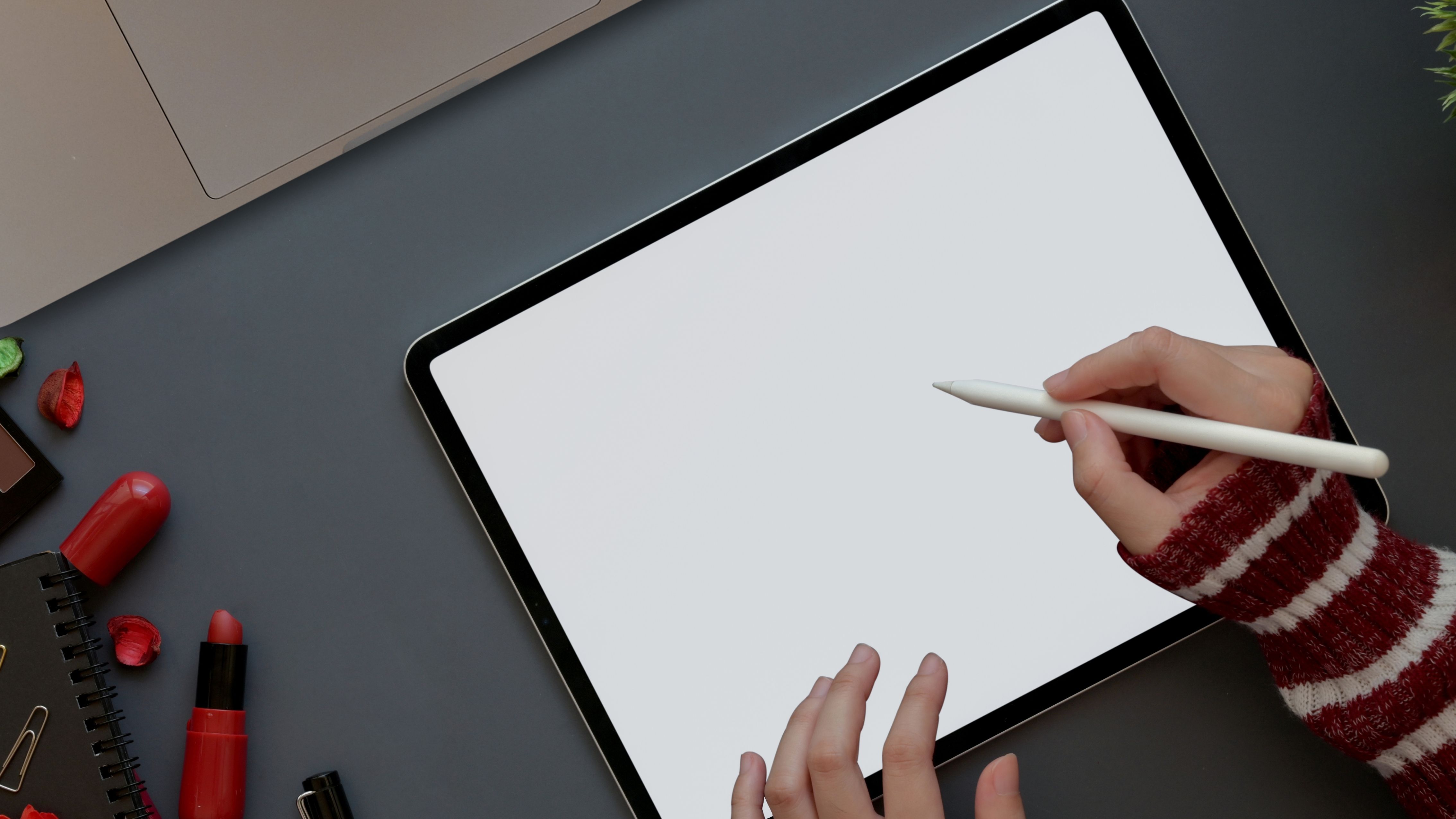
What is digital art? How to Learn Digital Art? This question opens up an exciting exploration into a modern field of creativity that combines traditional artistic techniques with cutting-edge technology.
What does digital art mean? This question opens up scintillating inquiry into a very contemporary area of arts that combines traditional arts techniques with very dynamic new technology. In this article, we shall take a look at some of the very rudimentary basics in digital art: what it means, how to learn it, and these tools and platforms to help beginners and pros alike.
How to learn digital art is a frequently posed question among aspiring creative artists who want to use a digital medium to visualize their imaginations into spectacular comparisons.
This guide serves to address these queries within practical action, along with sharing the best tips with expert advice on different angles and technologies. If you’re a budding artist curious about digital drawing, checking out all the best digital art sites, or planning to bust your dragon with tools like an apple ipad for drawing, you’ll discover just what you need right here.
Now, digital art is much more than a painting on a computer screen. This covers a range of techniques, such as drawing, or painting, or even sculpting, using digital tools. Digital art became so popular because of its accessibility, ease of editing and the capacity to reach the audience worldwide, thanks to the internet.
The influence of AI digital art and other new technology is going to alter the way art is made, shared, and perceived, making this both an opportunity and a challenge. This guide will also contain how best to learn digital art, beginner helping tips, resources to go over, and strategies to market your creations online.
What is Digital Art?
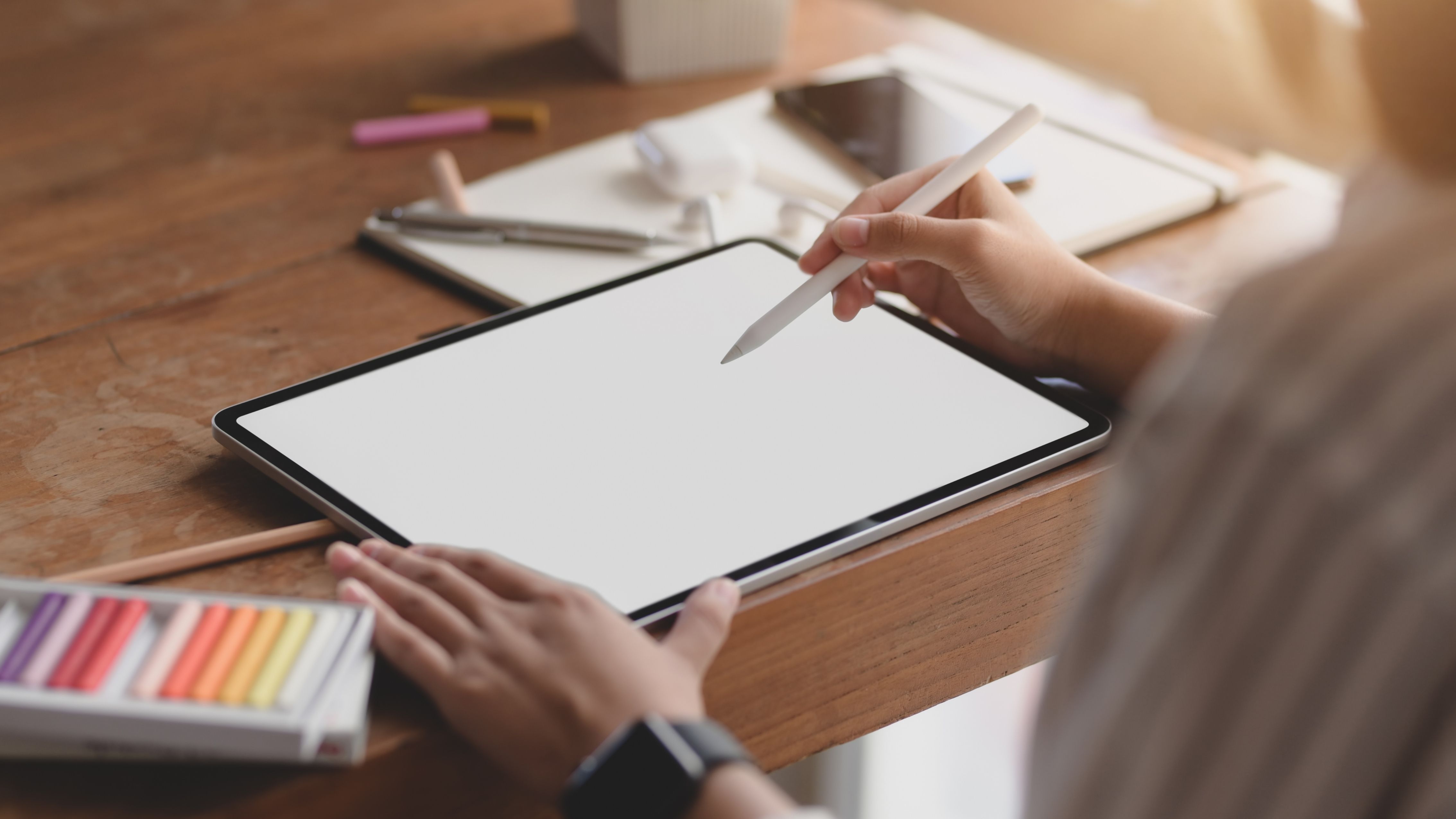
What is digital art? Digital art refers to artistic work or practice that uses digital technology as part of the creative or presentation process. It is a very heterogeneous medium: digital painting, photographic manipulation, 3D modeling, generative art. So many factors might consider whether or not it is a digital artwork, with the exception of the application used, like Adobe Photoshop, Corel Painter, Procreate, and many more.
These applications further allow artists to manipulate layers, textures, and many brush options similar to those available in traditional mediums but with much wider possibilities.
Digital art is a very flexible and accessible art. It doesn’t take as many things as traditional forms of art, where one needs the physical materials, but rather a computer or a tablet with the right software.
This has made it possible to iterate quickly, correct easily, and play around with a million different combinations without incurring more costs, as is often the case with traditional art. Digital arts now share yet another important feature, that is, they are available online for sharing and sale over multiple platforms, thus becoming cheaper than ever for artists to reach the world audience and monetize their works.
Digital art has similarities with traditional art, but it is as well unique. For example, a digital artist can undo with a simple click his or her mistakes, pile layers to make difficult compositions, and apply some special effects that would take a lot of time or be impossible with ordinary tools. But, as for everything else, discipline and practice are needed since even now there are many software tools and techniques to master, not to mention creative expression-use for digital art just like the physical ones.
Digital Art to Evolve
From its so-called beginnings with computer graphic experiments in the middle of the 20th century, digital art is seen as being in the making. Early digital art was created using technology, which restricted most artists to preexisting strict rules of aesthetics and pixelation or abstract forms. With the passage of time and with advances in hardware and software innovations, this aspect of digital art totally changed its face towards producing very much more intricate and realistic images. At present, digital art spans a wide area, right from hyper-realistic portraits down to imaginary fantasy worlds, often crossing all creative boundaries.
Potential Benefits and Challenges
Benefits: Flexibility: Easily modify and perfect artwork without starting from scratch. Accessibility: Easier to find cheaper or free tools compared to traditional materials. Shareability: Easy global distribution of digital files. Reproducibility: Print high-quality copies, keep digital copies, but retain no physical degradation.
Challenges: Learning curve: Requires a lot of time and effort to use software or tools. Digital dependency: Refers to all of those people whose lives revolve around their devices as they will need to deal with problems concerning devices, upkeep, and upgrades.
Their perceptions: Digital art may not be seen as art to some traditionalists as it doesn’t carry the weight of an “original piece” like that of handmade art. The understanding of all these potential benefits and challenges would go a long way in the full embracing of digital art and the use of its vast potential.
How to Learn Digital Art?
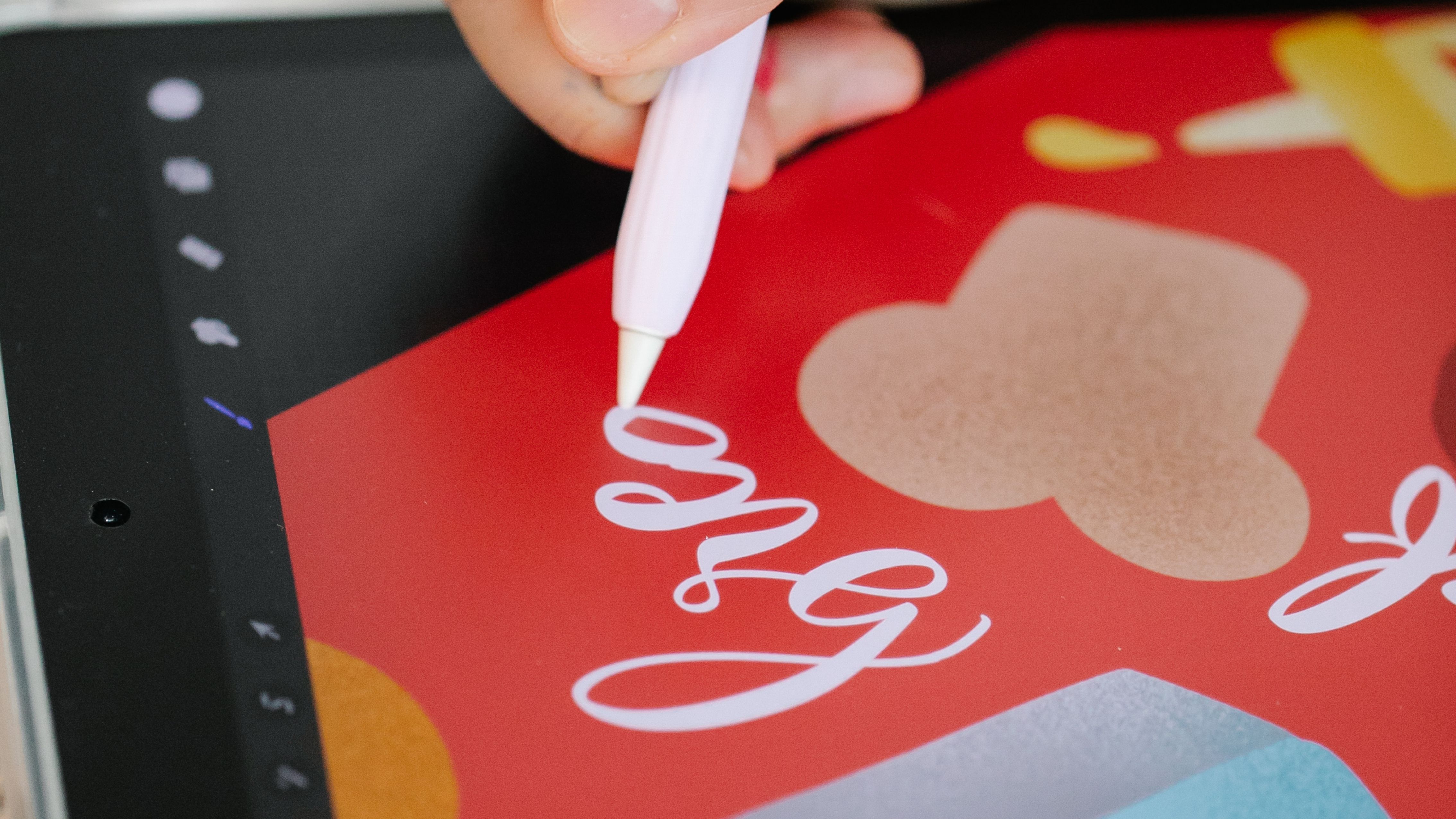
Learning digital art is apparently going to differ for each one of you depending on your prior skills, the available equipment, and most importantly, the style you would want to master. Most beginners find it overwhelming and tend to give up, which is a very wrong approach because skill can improve given enough time. Here are some tips and resources on how to get you started:
Begin with the Basics
Before you go into any crazy projects, it’s time to crack down on the basics of the art itself like composition, color theory, lighting, and anatomy. These basics lay the platform for all artistic endeavors, multiplying their use through the medium. Familiarity with them could actually work wonders for your digital art.
Equip Yourself with Proper Tools
There are probably hundreds of digital art programs and applications, such that they would surely not suffice in fitting every need or every skill. Some examples are:
Adobe Photoshop: the be-all and end-all for digital painting and photo editing;
Procreate: an expensive, best-in-class app for use with the iPad in which you can best achieve that very organic drawing experience;
Clip Studio Paint: great for comic artists and illustrators;
Corel Painter: best known for realistic paint effects;
Choosing a tool is often dependent on your budget, the device you own, and the style of art you would like to produce. For instance, if you are a starter in this field, then downloading free drawing software like Krita or GIMP would give you free access to starting your drawing.
Accessible Online Tutorials and Courses
There are lots of tutorials, courses, and communities available online for learning about digital art. Websites like YouTube, Udemy, and Coursera have free courses as well as some paid ones on a few aspects of digital art. You can also find forums and art communities online, using platforms like Reddit or specialized art sites as valuable sources to get feedback and support.
Practice
Continous practice I would say. First draw simple shapes; Komplex compositions come later. Do not hesitate to experiment with different tools and techniques. That’s how you learn from your mistakes.
Learn from Others
The work of professional digital artists can be very informative indeed. By analyzing their approach to using techniques, color schemes and choices of composition, many ideas and ways can be further inspired. Most artists share their workflows on social media and blogs, oh that is definitely some kind of tut.
Learning digital art is a journey that never ends. Gearing-up involves always improving oneself and one’s techniques, and all masterpieces began with a line/pixel.
Digital Art for Beginners
For newbies who want to dabble into digital drawing, knowing where and how to begin can be quite overwhelming. Digital art for beginnerss basically begins by first learning the very rudiments and not the really advanced techniques. The idea is simple, start from fundamentals, and build up.
Main Advantages to Starting:
Pencil Thin Budget Prepare: Make an investment at least one piece of all required equipment within one space: your tablet or computer; your drawing pad or stylus; your basic software.
Understand a few Basic Techniques: Learn to sketch, shade, and color importantly, the common basics.
Find Tutorials and Guides: There are many resources tailor made to start practice from the easy level.
Daily Practice: Muscle will build on practice repetition with the tools.
The Very Beginning Resources: Tutorials on YouTube: Are dedicated to teaching you into the art of digital media.
Online courses: Sites such as Skillshare , Udemy or Coursera.
Art Communities: Forums such as DeviantArt, ConceptArt.org, and ArtStation.
Burshes new into practice should try out various styles-wether sketch or painting, that result in digital drawing for beginners. What’s important is finding your personal style and technique through constant exercising.
Digital Drawing for Beginners
For beginners, digital drawing involves comprehending the interface of drawing software, learning how to use layers, and mastering the different brushes and tools. Most artists start off with initial sketches and progress to detailed drawings as they become more confident and experienced.
Getting Started:
Get Acquainted with Your Software: Most softwares have a layout and tools with shortcuts.
Start Simple: Make simple shapes, move on to drawing more complicated forms.
Make use of layers: An artist can now use more than one layer to compose various parts of his artwork. The whole piece can be modified without the need to delete portions that have already been drawn before.
Experiment with Brush Settings: Understanding how different brushes react has pushed most of the artists in their works. Therefore, try to brush stroke using each brush, and observe the differences in styles.
Take Breaks: Go away for a while, then return to see your work from a more removed yet critical view. Ultimately identify things in need of improvements.
Common Pitfalls:
Overcomplicating Early Works: The frustration incurred from trying to make perfect artworks from the beginning.
Fundamentals Being Neglected: Because the artist has become so engrossed in using his digital tools, he suddenly comes to realize that he has never been able to master the really basic principles of drawing.
Ignoring Feedback- One figured that criticism from other artists is actually constructive, and all this contributes to bettering your technique.
Beginner’s Tool Kit:
Drawing Pad: For fine control and feel when you are drawing.
Stylus: More accurate than a mouse.
Free Drawing Software: Programs like Krita, FireAlpaca, or SketchBook.
As all would agree, following these steps with the availability of resources would add value to beginner’s gradual improvement in digital drawing.

Digital Art for Beginners on Laptop
That is flexibility and portability while working with a laptop. It allows an artist to create beginner digital art on a laptop not restricted by a desktop setup. While laptops may not match the power of a desktop or the sizes of a display, they make a robust platform for beginning your digital art journey.
Ai Digital Art
The rise of AI digital art has introduced a novel way of creating art through algorithms and machine learning models. AI tools can generate stunning visuals from simple prompts, assist with complex design tasks, and even transform rough sketches into polished artworks. While some artists embrace AI as a creative partner, others approach it with skepticism, citing concerns about originality and the role of human creativity.
Best Digital Art Websites
There are numerous online platforms and best digital art websites that provide resources, inspiration, and marketplaces for artists. These websites offer tutorials, forums, portfolios, and even opportunities to sell your work. Choosing the right website depends on your goals—whether it’s learning, networking, or monetizing your art.
Top Digital Art Websites:
- ArtStation: A hub for artists to showcase their portfolios, discover job opportunities, and connect with peers.
- DeviantArt: One of the largest online art communities, ideal for sharing work, getting feedback, and networking.
- Behance: A platform to display creative work, gain exposure, and connect with potential clients.
- Pinterest: Great for finding inspiration and saving reference images.
- CGSociety: Focuses on digital concept art, animation, and 3D modeling resources.
Features to Look For:
- Community Engagement: Forums and feedback sections for critique.
- Tutorials and Resources: Blogs, video tutorials, and downloadable assets.
- Portfolio Tools: Options to showcase and organize your artwork professionally.
- Marketplace: Some sites allow artists to sell prints, digital downloads, or commissions.
Comparison of Websites:
While ArtStation might be ideal for professionals looking to network, DeviantArt is more beginner-friendly with a supportive community. Behance offers exposure to a broader creative field, whereas niche sites focus on specific types of digital art. It’s beneficial to explore multiple platforms to see which aligns best with your artistic goals.