
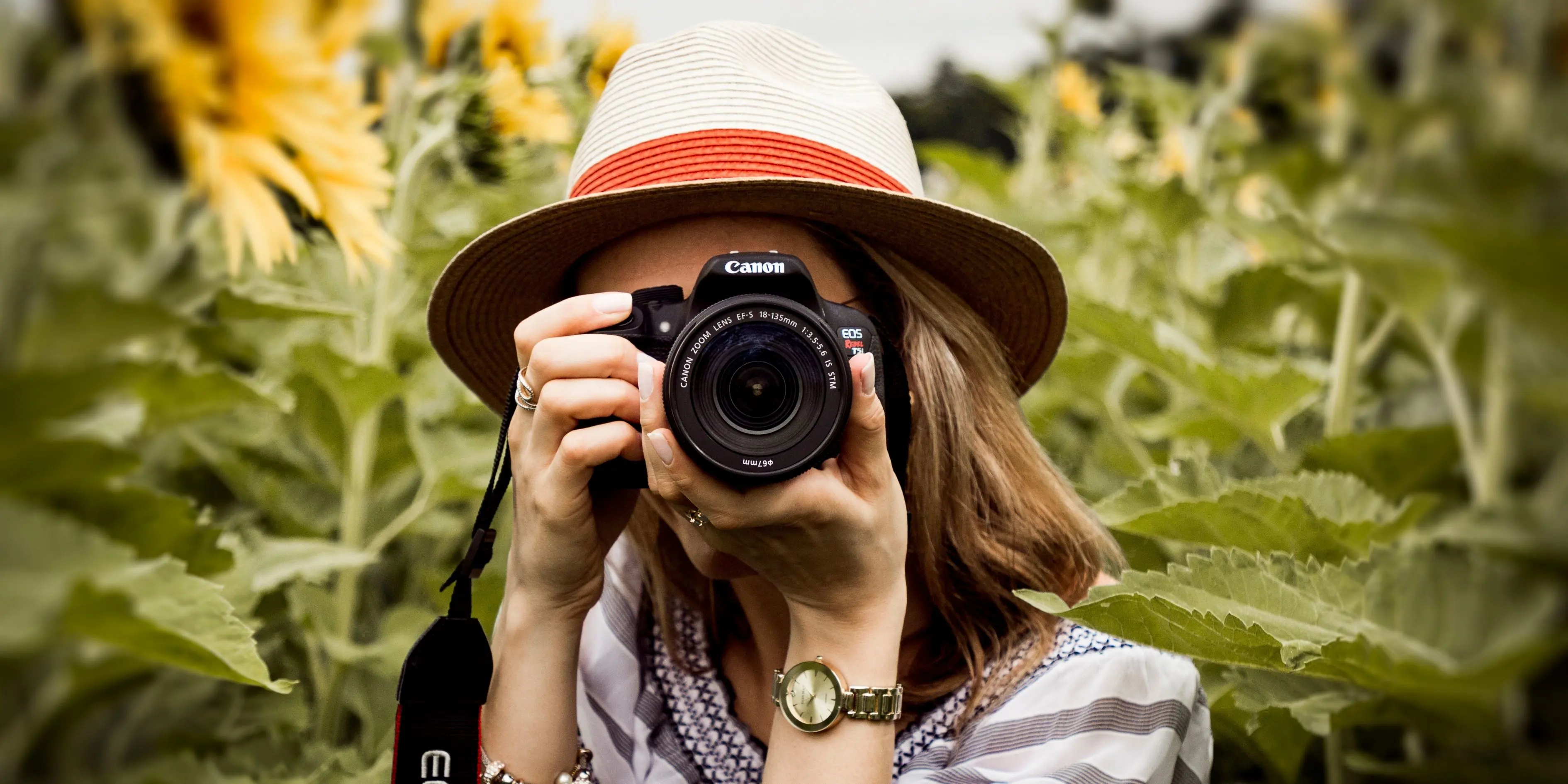
What is DSRL? Photography enthusiasts and professionals alike often encounter the term DSLR when exploring camera options. But what exactly is a DSLR, and why is it so popular?
Short for Digital Single-Lens Reflex, DSLR cameras combine a mechanical mirror system and digital imaging technology, offering photographers unparalleled accuracy, versatility, and control.
Whether you’re a beginner eager to capture stunning landscapes or a professional specializing in portraits or action shots, understanding the essence of DSLRs can help you choose the perfect camera for your needs.
In this article, we’ll explore the meaning of DSLR, its history, advantages, and comparisons with other camera types to help you make an informed decision.What is DSLR? What Does DSLR Mean?
[ez-toc]What is DSLR?
What is DSLR? What Does DSLR Mean? DSLR, short for Digital Single-Lens Reflex, refers to a camera type that combines a mechanical mirror system and digital imaging sensor to capture photos. This unique mechanism enables photographers to see exactly what the camera lens views through the optical viewfinder, ensuring accuracy and high-quality images.
DSLR cameras are a staple in both amateur and professional photography due to their versatility, superior image quality, and customizable settings. Whether you’re capturing landscapes, portraits, or action shots, a DSLR can adapt to your needs.

What Does DSLR Mean?
What is DSLR? What Does DSLR Mean? The acronym DSLR highlights two core elements:
- Digital Imaging: Unlike traditional film cameras, DSLRs use digital sensors to capture images, making them convenient and efficient.
- Single-Lens Reflex: A mirror system reflects light from the lens to the viewfinder, giving users a real-time view of their subject.
This combination ensures precision, reliability, and flexibility, making DSLRs a favorite among photographers worldwide.

History of DSLR Cameras
What is DSLR? What Does DSLR Mean? The history of DSLRs dates back to the late 20th century when photography shifted from analog to digital. Initially, SLR cameras (single-lens reflex) used film, but the invention of digital sensors revolutionized the industry.
Key Milestones in DSLR History:
- 1981: Sony introduced the Mavica, the precursor to digital cameras.
- 1999: Nikon launched the D1, the first widely adopted DSLR, targeted at professionals.
- 2000s: The DSLR market expanded rapidly, with brands like Canon, Nikon, and Sony competing to offer cutting-edge technology.
- 2010s: DSLR cameras gained popularity among enthusiasts and professionals, featuring innovations like 4K video recording and advanced autofocus systems.
Today, DSLRs are considered a reliable choice for high-quality photography, even as mirrorless cameras gain traction.
How Does a DSLR Work?
To understand why DSLRs are so popular, it’s essential to know how they work. A DSLR’s mechanism involves:
- Mirror System: When light enters the lens, it is reflected by a mirror into the optical viewfinder.
- Shutter and Sensor: When you press the shutter button, the mirror flips up, allowing light to hit the digital sensor, which captures the image.
- Image Processing: The camera’s processor converts the light data into a digital photo.
This process ensures precise framing and real-time feedback, making it ideal for professionals who require accuracy.
Mirrorless vs DSLR Cameras
The rise of mirrorless cameras has sparked a debate: Which is better, mirrorless or DSLR? Here’s a detailed comparison:
| Feature | DSLR | Mirrorless |
|---|---|---|
| Viewfinder | Optical | Electronic |
| Size & Weight | Bulkier | Compact |
| Battery Life | Longer | Shorter |
| Lens Variety | Extensive options | Growing, but limited compared to DSLRs |
| Performance | Reliable for fast action shots | Improving, but still behind for high-speed use |
While mirrorless cameras are compact and lightweight, DSLRs remain a top choice for photographers who prioritize durability, lens variety, and battery life.
DSLR vs Digital Camera
Many beginners confuse DSLRs with standard digital cameras. Here’s a breakdown of their differences:
- Sensor Size: DSLRs have larger sensors, producing better image quality and low-light performance.
- Interchangeable Lenses: DSLRs allow you to swap lenses, from wide-angle to telephoto, while digital cameras typically have fixed lenses.
- Manual Controls: DSLRs offer extensive manual settings, enabling creative freedom.
- Durability: DSLRs are built to last, with weather-sealed models designed for harsh environments.
While compact digital cameras are suitable for casual use, DSLRs cater to professionals and enthusiasts seeking higher control and superior results.
The Best DSLR Cameras in 2024
If you’re looking for the best DSLR camera, here are some top contenders:
1. Nikon D850
Nikon D850 Renowned for its 45.7 MP resolution, the Nikon D850 is ideal for landscapes, portraits, and wildlife photography. Features include:
- 4K UHD video recording.
- Excellent low-light performance.
- Fast, accurate autofocus.
2. Canon EOS 5D Mark IV
A favorite among professionals, the Canon EOS 5D Mark IV delivers stunning image quality and robust features:
- 30.4 MP full-frame sensor.
- Dual Pixel autofocus for video.
- Durable, weather-resistant build.
3. Sony Alpha 99 II
Sony’s DSLR lineup includes the Alpha 99 II, known for its speed and innovation:
- 42.4 MP resolution.
- 12 fps burst shooting.
- 5-axis in-body stabilization.
Whether you’re a beginner or a pro, these cameras cater to a wide range of photography needs.
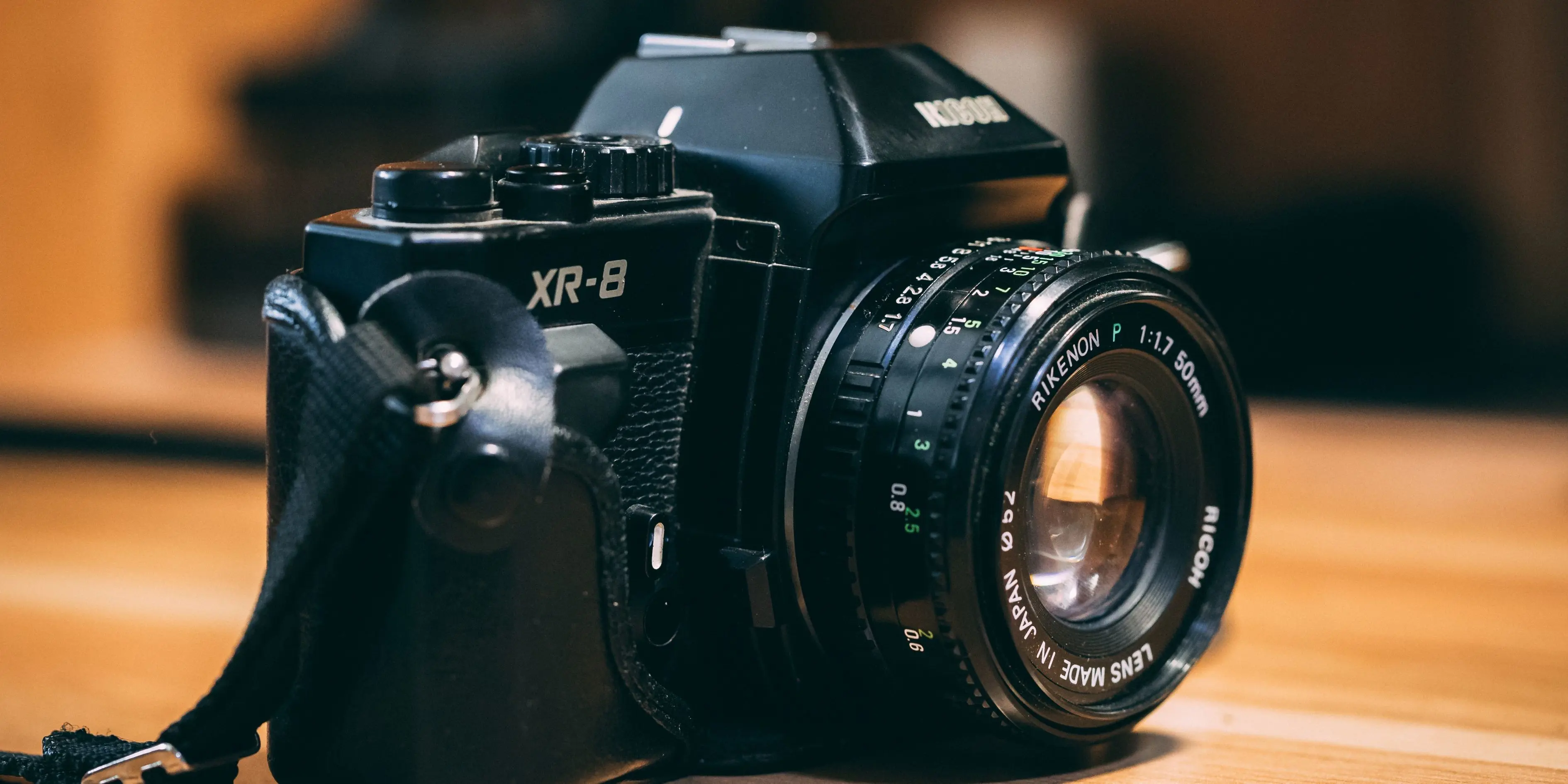
DSLR Camera Prices
The price of a DSLR depends on its features and brand. Here’s a rough guide:
- Entry-Level DSLRs: $400 – $800 (e.g., Nikon D3500, Canon Rebel T7).
- Mid-Range DSLRs: $800 – $1,500 (e.g., Canon EOS 90D).
- Professional DSLRs: $1,500 and above (e.g., Nikon D850).
For budget-conscious buyers, refurbished or pre-owned DSLRs are excellent options.
Tips for Choosing the Right DSLR
When buying a DSLR, consider the following:
- Purpose: Are you a beginner, enthusiast, or professional? Entry-level models are ideal for learning, while professionals may prefer full-frame cameras.
- Budget: Determine your budget and prioritize features that matter most to you, like resolution or video capabilities.
- Lens Compatibility: Check the availability of lenses compatible with the camera brand.
Popular brands like Nikon, Canon, and Sony offer a wide range of DSLRs, ensuring there’s something for everyone.
Accessories to Enhance DSLR Performance
To get the most out of your DSLR, consider investing in accessories:
- Lenses: From wide-angle to telephoto, the right lens can elevate your photography.
- Tripods: A must-have for achieving stable and clear shots, especially in challenging low-light environments.
- External Flashes: Improve lighting in dark environments.
- Memory Cards: Opt for high-speed cards to store high-resolution images.
These accessories play a crucial role in elevating your photography experience to the next level.
Future of DSLR Cameras
With the rise of mirrorless cameras, many wonder about the future of DSLRs. While mirrorless technology continues to advance, DSLRs remain relevant due to their:
- Durability and reliability.
- Extensive lens ecosystems.
- Long battery life.
For professionals and enthusiasts, DSLRs are expected to coexist with mirrorless systems, catering to those who value traditional features.
DSLR cameras have transformed photography, offering unmatched quality and flexibility. Whether you’re comparing Mirrorless vs DSLR, exploring DSLR camera prices, or deciding between a digital camera and DSLR, understanding their features is crucial.
Investing in a DSLR can open the door to a world of creativity, allowing you to capture moments with precision and style.