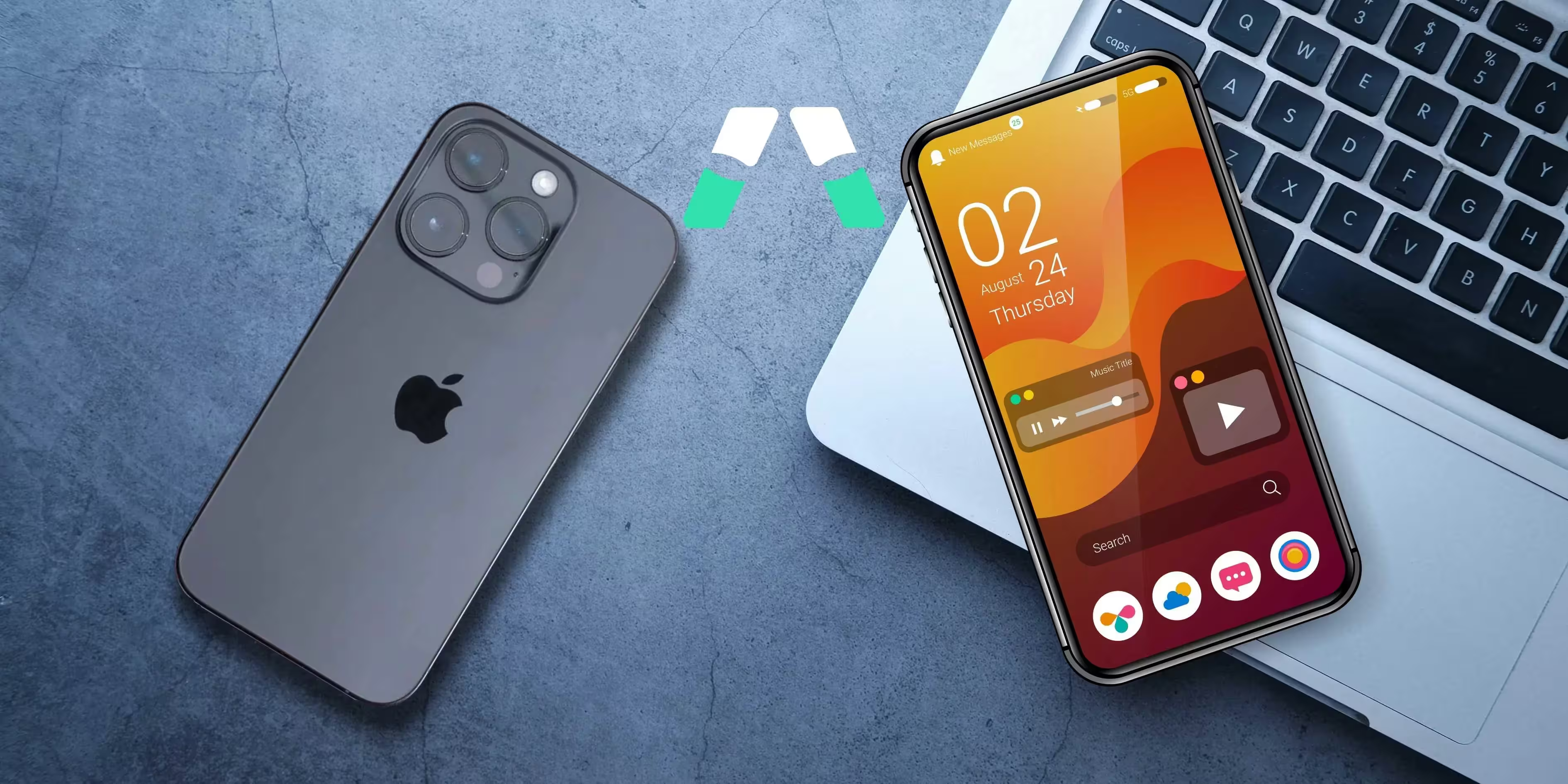
In the ever-evolving landscape of smartphones, the debate between iPhone or Android remains a central topic for consumers seeking the ideal device. Both platforms offer unique features and experiences, making the choice between them a matter of personal preference and specific needs. This article delves into various aspects to help you determine which is better: iPhone or Android.
What Is More Popular: iPhone or Android?
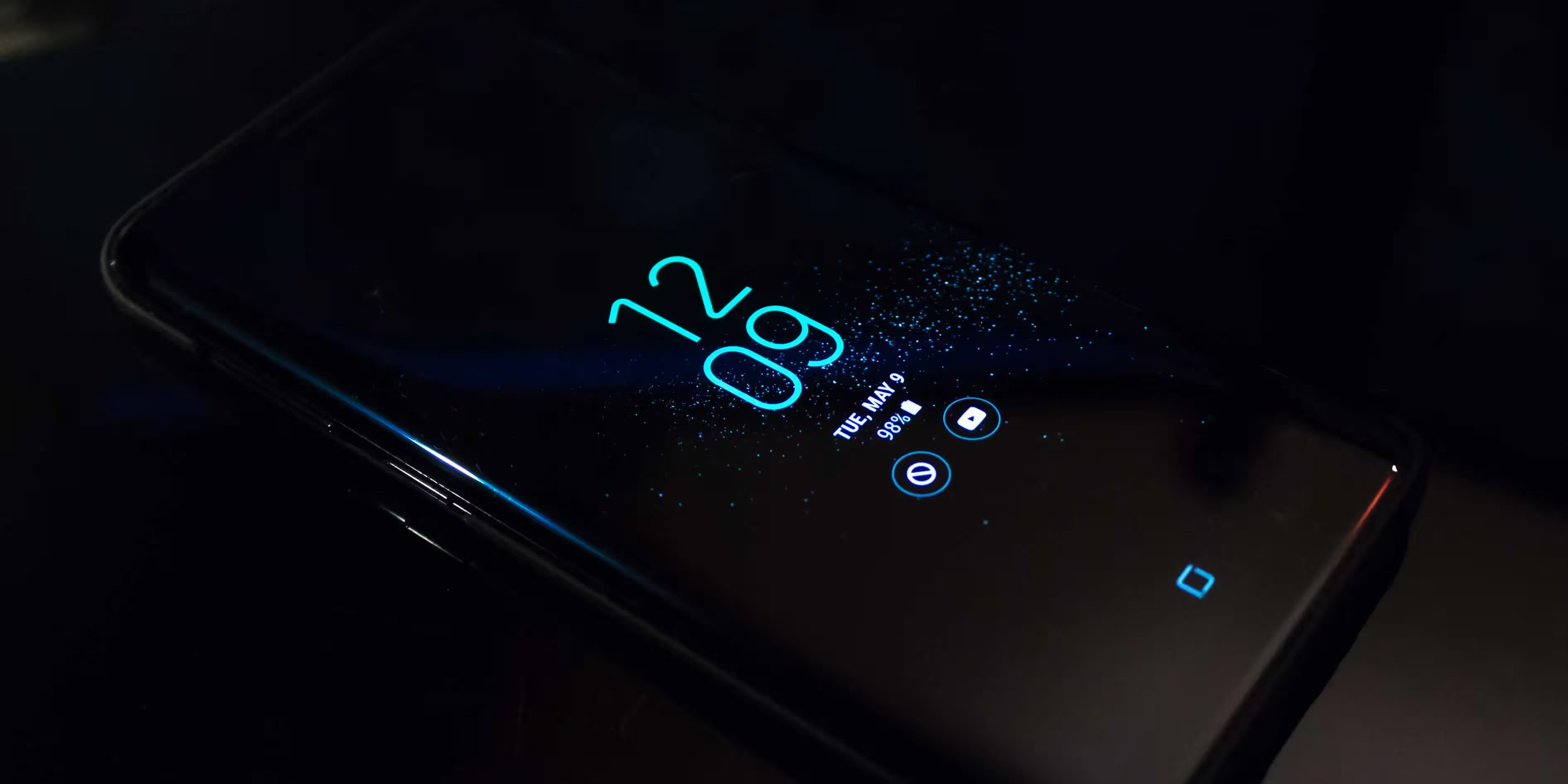
When assessing popularity, it’s essential to consider global market share. As of the second quarter of 2024, Android holds a significant lead with approximately 71.31% of the global market, while iOS accounts for about 27.95% This dominance is attributed to the wide range of manufacturers producing Android devices, offering consumers a variety of options across different price points. In specific regions, the preference shifts. For instance, in the United States, iOS leads with a 56.53% market share, compared to Android’s 43.12% This indicates that while Android is more popular globally, iOS has a stronger presence in certain markets.
What Gets Hacked More: iPhone or Android?
Security is a paramount concern for smartphone users. Historically, Android devices have been more susceptible to malware and hacking attempts. This vulnerability stems from Android’s open-source nature, which allows for greater customization but also opens more avenues for potential threats In contrast, Apple’s iOS is a closed ecosystem, offering a more controlled environment. This structure results in fewer vulnerabilities and a lower incidence of malware attacks. However, no system is entirely immune, and users of both platforms should practice safe browsing habits and keep their devices updated to mitigate risks.
Which Is Better, Samsung or iPhone?
Comparing Samsung devices to iPhones involves evaluating hardware, software, and user experience. Samsung, a leading Android manufacturer, offers a diverse range of smartphones, from budget-friendly models to high-end flagships like the Galaxy S series. These devices are known for their customizable interfaces, expandable storage options, and innovative features such as foldable screens.
On the other hand, iPhones are celebrated for their seamless integration with the Apple ecosystem, consistent user experience, and robust security features. The choice between Samsung and iPhone often boils down to personal preference: those seeking customization and variety may lean towards Samsung, while individuals valuing a cohesive ecosystem and straightforward user interface might prefer iPhone.
Is Android Safe or Apple?
Both Android and Apple have implemented measures to enhance user security. Apple’s iOS is renowned for its stringent app review process and regular updates, contributing to a secure environment. Android has made significant strides in recent years, introducing features like Google Play Protect and more frequent security patches.
Despite these advancements, iOS generally maintains a reputation for higher security due to its closed ecosystem and controlled app distribution. Android’s open nature, while offering flexibility, can expose users to higher risks if they download apps from unverified sources or neglect updates.